
Why Classrooms Still Matter Today
The Lasting Value of In-Person Learning
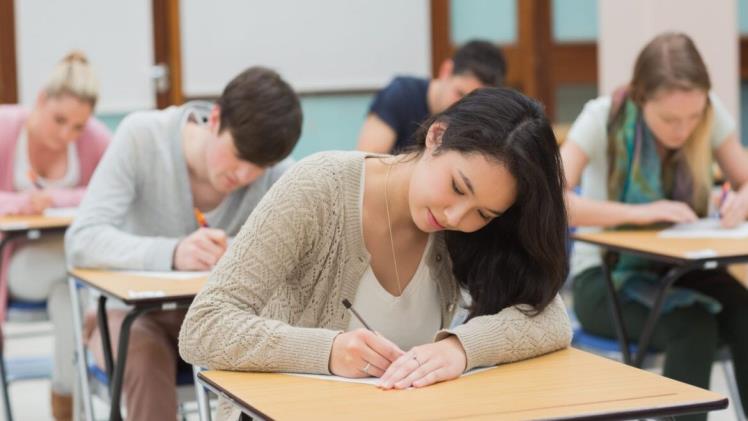
Even as technology reshapes how people work, communicate, and explore information, the classroom remains a central place for learning. It offers something that digital platforms, however advanced, cannot fully replicate. Inside a classroom, students experience structure, guidance, social interaction, and a sense of belonging. These elements shape not only academic growth but also personal development. Learning has always been more than absorbing facts. It is about learning to think, question, and collaborate. These skills strengthen when students share physical space, engage in conversation, and learn from the diversity of people around them.
The environment itself encourages focus. While digital learning provides flexibility, it can also invite distraction. A classroom removes many of those interruptions and invites students to step into a space designed for learning. It is a place where curiosity is encouraged, and teachers can adjust lessons in response to real-time reactions. The connection between teacher and student becomes much more personal. A look of confusion or excitement communicates more than words alone. This depth of interaction strengthens understanding and supports long-term retention.
How Classroom Learning Builds Social and Emotional Skills
One of the most overlooked benefits of classroom learning is its ability to nurture human skills. Students learn how to share ideas respectfully, listen actively, resolve conflicts, and work through challenges together. These experiences prepare them for real-world interactions, where communication and teamwork matter just as much as academic knowledge.
Group projects, classroom discussions, and shared problem-solving activities teach students how to disagree constructively, support one another, and find compromise. These skills emerge naturally when people learn together in person. Social cues such as body language, tone, and facial expression help students understand nuance. Digital platforms can support communication, but they often remove important emotional layers that foster empathy and understanding.
Classrooms also provide a sense of community. Students learn they are part of something bigger than themselves. They build friendships, develop trust, and learn how to navigate different personalities. These moments shape confidence and resilience, traits that greatly impact how students approach challenges later in life.
The Role of Teachers in Meaningful Classroom Experiences
Teachers do far more than deliver content. They guide, motivate, encourage, and adapt. In a classroom, teachers can observe subtle signs that a student needs more explanation or a different approach. They can shift their teaching style mid-lesson based on how the room responds. They can offer encouragement at the exact moment a student feels stuck or unsure. This level of responsiveness is difficult to achieve in remote or independent learning environments.
Teachers also create experiences that bring learning to life. They use hands-on activities, experiments, discussions, and interactive tools to deepen understanding. They ask questions that prompt curiosity and spark debate. In-person interaction fuels this dynamic energy. Students benefit from the teacher’s expertise, but they also benefit from the enthusiasm and engagement of their peers.
Modern classrooms often rely on tools that make learning even more engaging. An example is an interactive whiteboard for classroom use, which allows students to visualize ideas, manipulate content, and participate directly in lessons. The phrase interactive whiteboard for the classroom appears here in context, showing how classrooms blend traditional teaching with technology. These tools support active learning and help teachers connect with students who learn visually or hands-on.
Why Classrooms Provide Structure Students Still Need
Beyond academics, classrooms offer a predictable routine that supports learning. Routine helps students feel secure. They know when lessons begin, when discussions happen, and when they can ask questions. This structure creates habits that extend beyond school. Time management, organization, and responsibility develop naturally when students move through a consistent schedule.
In contrast, independent or remote learning requires strong self-discipline, which not all students have already developed. A classroom gradually guides students toward these skills. It teaches them how to balance tasks, meet deadlines, and maintain focus even when they feel distracted. For younger students, especially, this structure supports emotional regulation and helps them feel confident in their environment.
Classrooms also ensure equity. Not every student has access to a stable internet connection, a quiet study space, or educational support at home. A physical classroom creates a level playing field where everyone receives the same instruction, access to resources, and opportunities to participate.
Learning Through Shared Experience and Human Connection
There is something powerful about learning alongside others. When a classroom full of students explores a new concept, each person brings their own perspective. These shared experiences deepen understanding and make learning more memorable. A lively debate, a collective problem-solving moment, or a shared breakthrough becomes something students remember long after the lesson ends.
Human connection amplifies motivation. When students feel seen and heard, they invest more in their learning. Teachers play a key role by recognizing strengths, offering encouragement, and guiding students through struggles. Peers reinforce this motivation by demonstrating curiosity, celebrating successes, and supporting one another. This sense of shared purpose is difficult to recreate outside a classroom.
Classroom environments also support creativity. Students experiment with ideas, collaborate on art projects, build models, or conduct experiments. They use physical materials, which help convert abstract concepts into a tangible understanding. This hands-on learning becomes invaluable in subjects where real-world application enhances comprehension.
Why Classrooms Remain Essential in a Digital World
Technology has expanded educational possibilities, but it has not replaced the need for classroom learning. Instead, it complements it. Schools continue to blend traditional teaching with digital tools, creating more interactive and adaptable lessons. But the foundation remains a human connection. Classrooms anchor students in a community that guides them through academic, social, and emotional growth.
As society evolves, the skills gained in classrooms remain essential. Critical thinking, empathy, collaboration, communication, resilience—these skills form the backbone of successful communities and workplaces. They grow most naturally in environments where people learn together, interact face-to-face, and experience shared challenges.
Classrooms are not just buildings. They are environments where students learn who they are, how to think, and how to connect with others. In a world filled with technology, this human-centered experience remains irreplaceable.