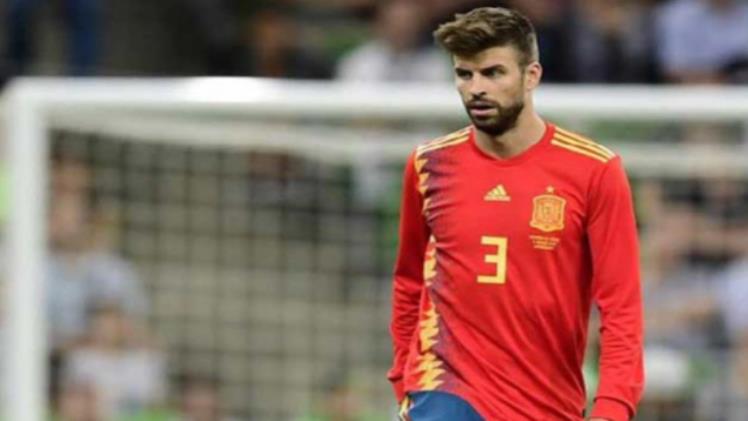

Why FIFA Breaks in the 2020/2021 Premier League Season Disrupted Fitness and Line-Ups
International windows in the 2020/2021 Premier League season fell into an already compressed calendar, so instead of providing clean rest, they often produced a mix of fatigue, travel stress, and forced rotations right before league fixtures resumed. For anyone trying to assess matches, those “FIFA days” marked points where usual assumptions about fitness and starting elevens became less reliable, especially for big clubs sending many players abroad.
How the 2020/2021 International Calendar Sat Inside a Compressed Season
The Premier League kicked off on 12 September 2020 after a shortened break and then had to accommodate multiple international windows within a tight schedule. FIFA’s match calendar placed four main international breaks for that 2020/2021 cycle, including windows around early September, October, November, and March, with UEFA nations playing triple‑header international blocks in October and November. The combined effect was that many top players moved from congested club runs straight into dense national‑team programmes, then back into league matches with minimal turnaround, compressing recovery time instead of expanding it.
Why International Duty Increases Post-Break Injury and Fatigue Risk
Performance analytics on elite footballers indicate that returning from tournaments or intensive international periods significantly raises short‑term injury risk and worsens fatigue measures. One analysis comparing injury rates around international competitions found a three‑ to five‑fold increase in injury likelihood in the first seven to ten days back at the parent club, highlighting how rapid changes in match density and training patterns stress players’ bodies. Even outside major tournaments, mid‑season international windows create abrupt shifts in travel, surfaces, and match intensity that can leave players under‑recovered, especially when they perform high‑intensity running at levels above their usual club load.
How Managers Reacted With Rotations After FIFA Windows
When players returned late or fatigued, managers had to balance the risk of starting them immediately against the cost of fielding weaker line‑ups. Injury‑risk research and workload monitoring both suggest that clubs should periodise a phased return for heavily used internationals, reducing minutes initially rather than throwing them straight into full competitive loads. In practice, this led to post‑break matches where some key attackers or midfielders started on the bench, were substituted early, or were left out entirely, while domestic‑only squad members or younger players stepped into starting roles, changing the effective strength of the side relative to its headline name.
Conditional Patterns: Big Clubs vs Limited-Call-Up Teams
The impact of FIFA breaks was uneven. Larger clubs that sent many players to national teams saw their core elevens heavily affected, with a high proportion of minutes coming from athletes who had just played twice or even three times for their countries in compressed windows. Mid‑table or lower clubs with fewer internationals, by contrast, often had more players staying at the training ground, receiving structured rest and tactical work, which let them return to league play fresher and better prepared. This asymmetry created matchups where the “smaller” side entered the first game back from a break in better physical condition and with a more stable line‑up than a “bigger” opponent juggling returning stars.
How FIFA Breaks Distort Betting Assumptions
From a betting standpoint, international windows introduce a break in the normal feedback cycle between performance and odds. Form lines built before the break are based on club‑level chemistry and fitness; once players disperse, they encounter different tactical demands and workloads, and then reassemble with potentially altered physical and mental readiness. Articles on post‑break betting highlight two recurring effects: odds may initially reflect pre‑break strength without fully accounting for absent or under‑recovered internationals, and preparation time differs significantly between teams with many call‑ups and those with few, making some supposedly weaker teams temporarily undervalued. As a result, treating the first round of fixtures after a break like any other league weekend can misjudge both line‑up certainty and energy levels.
Using UFABET With Extra Caution Around Post-Break Fixtures
When the league resumes after a FIFA window, the way you use a betting service can either adjust for these realities or ignore them. In situations where you know that one side has had a large contingent on international duty—especially with long‑haul travel or triple‑header schedules—while the opponent has mostly trained together at home, a structured bettor on ufa168 can delay early bets and wait for confirmed line‑ups, or deliberately favour markets that require less reliance on a single club’s attacking sharpness, such as conservative handicaps or “both teams to score” positions shaped by defensive fatigue. By cross‑checking likely rotations against the posted prices before kick‑off and refusing to lean solely on pre‑break form tables, you reduce the risk that a heavily altered starting XI quietly turns a strong favourite into a far more fragile proposition.
How FIFA Windows Differ From Breaks in casino online Play
In casino online environments, a “break” between sessions has no memory: each return to the table starts from zero, with no residual fatigue or travel load carried over. In the Premier League, international windows are the opposite: they stack extra work on many key players, then drop them straight back into domestic fixtures where their clubs’ results and betting markets depend on how well they have recovered. This difference means that while a casual bettor might treat post‑break weekends as fresh slates, a more analytical approach sees them as high‑variance points in the season where the gap between perceived and actual strength can widen, particularly for clubs whose stars have logged heavy minutes across different continents.
Practical Checklist for Evaluating Post-Break Fitness and Rotation
Because FIFA windows recur and their structure is known in advance, you can create a simple, repeatable checklist to assess the risk profile of each team in the first match back. Drawing on workload and betting guidance, useful pre‑match checks include:
- Count how many likely starters travelled for international duty, and note who played 180 minutes or more for their country.
- Identify players who returned late (e.g. South America or Asia qualifiers) and had only one or two days with the club before the next league match.
- Scan for reported knocks, soft‑tissue issues, or “fatigue” flags in club news, especially for high‑minute internationals.
- Look at whether the opponent had relatively few call‑ups and more full training sessions as a group.
- Watch for early indicators in press conferences that managers may rotate certain positions or manage minutes carefully.
Working through this list changes how you price risk: a favourite with many high‑load returnees and likely changes becomes a less automatic pick, while a more settled side with a quiet international window looks more attractive than pre‑break form alone would suggest. Over the course of a season like 2020/2021, repeating this process around each FIFA date turns what is usually treated as background noise into a structured factor in your decision-making.
Summary
In the 2020/2021 Premier League season, FIFA international breaks landed in the middle of an already congested calendar, amplifying fitness and rotation problems rather than simply offering rest. Evidence from workload and injury analyses shows that players returning from intensive international spells face higher short‑term injury risks and increased fatigue, which pushed managers toward more frequent line‑up changes and managed minutes in the first matches back. For anyone reading those fixtures, treating post‑break weekends as ordinary rounds underestimated how travel, uneven preparation time, and squad reshuffles distorted both performance and betting value, especially in clashes between call‑up‑heavy clubs and more settled, domestically focused opponents.